

Events
CROMed-USA Workshop “Ready for Practice: From Graduate to Clinician” Clinical Reasoning, Simulation, and Practical Skills for New Doctors
CROMed-USA is pleased to present Ready for Practice: From Graduate to Clinician, an intensive transition-to-practice workshop designed for final-year medical students and recent medical graduates preparing to enter clinical practice.
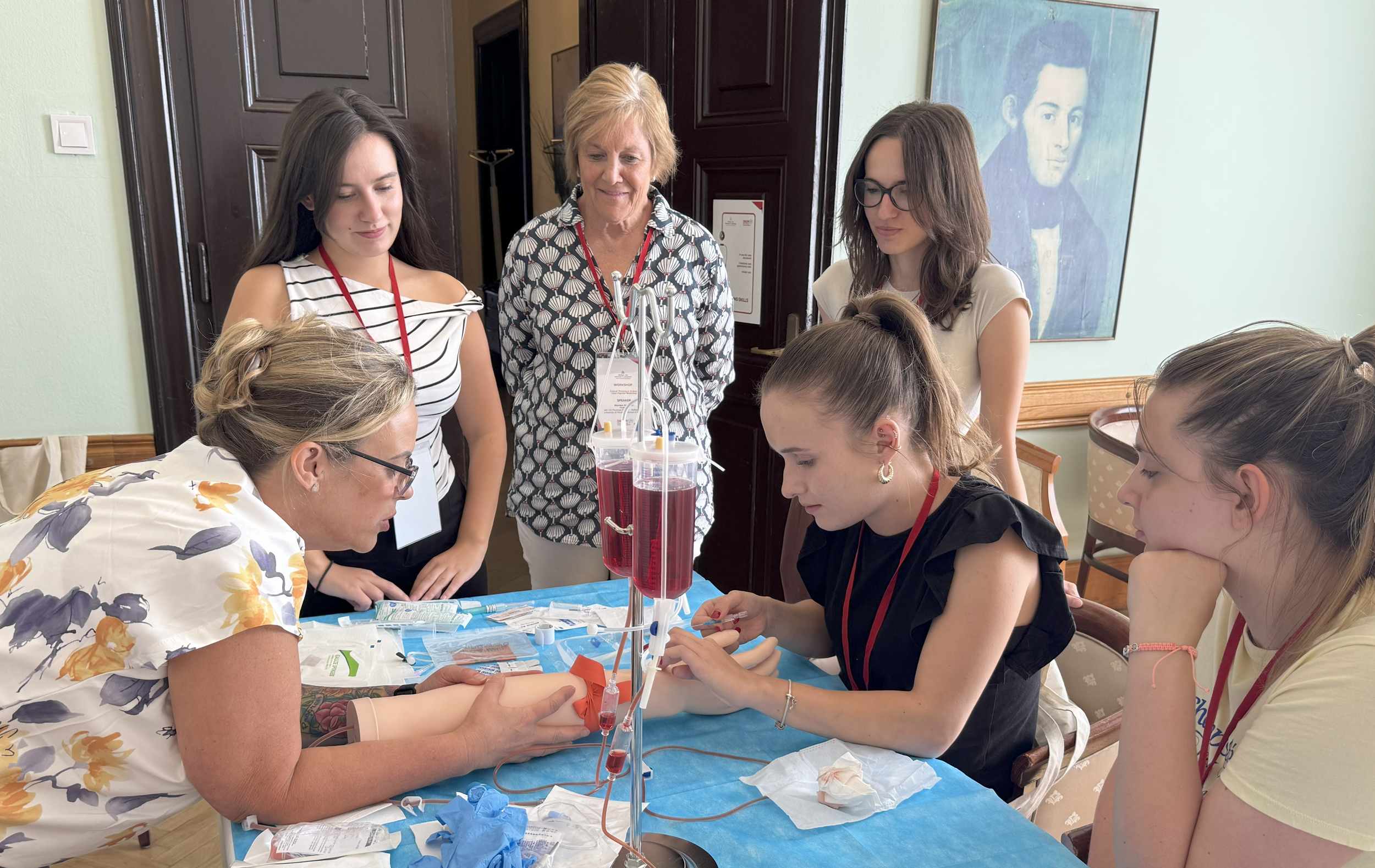
This hands-on, case-based program is designed to help young physicians move from theoretical knowledge to real-world clinical decision-making. Through interactive teaching, small-group case discussions, skills stations, simulation-based learning, and structured debriefing, participants will practice the essential skills needed for their first days of clinical responsibility in urgent care, emergency medicine, hospital wards, or family practice.
Our workshop will take place in two locations this year:
Terme Tuhelj Spa, Croatia | September 12–14, 2026
Ljubljana Simulation Center Experience | September 15–16, 2026
2026 CROMed-USA Gala
2026 CROMed-USA Gala
Every contribution during the Gala will have a direct impact on future physicians and the quality of healthcare they’ll provide.
We strive to transcend geographical boundaries, unite diverse perspectives, and create a shared platform for the exchange and implementation of best practices in medical pedagogy.
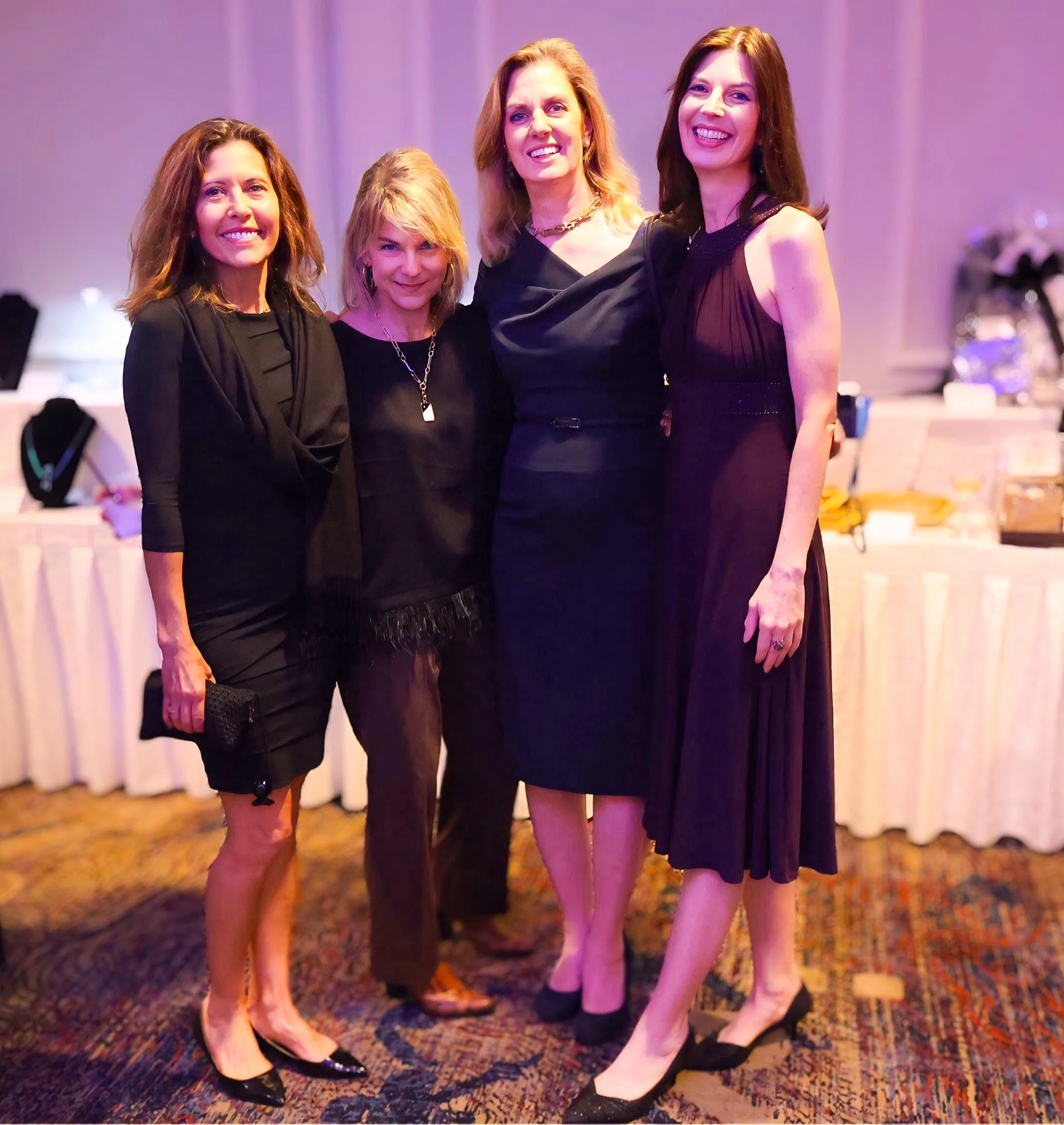
Enjoy an evening of supporting medical education with delicious food, entertainment, networking, a silent auction, and a paddle raise.
SIM Mobile Lab Tour
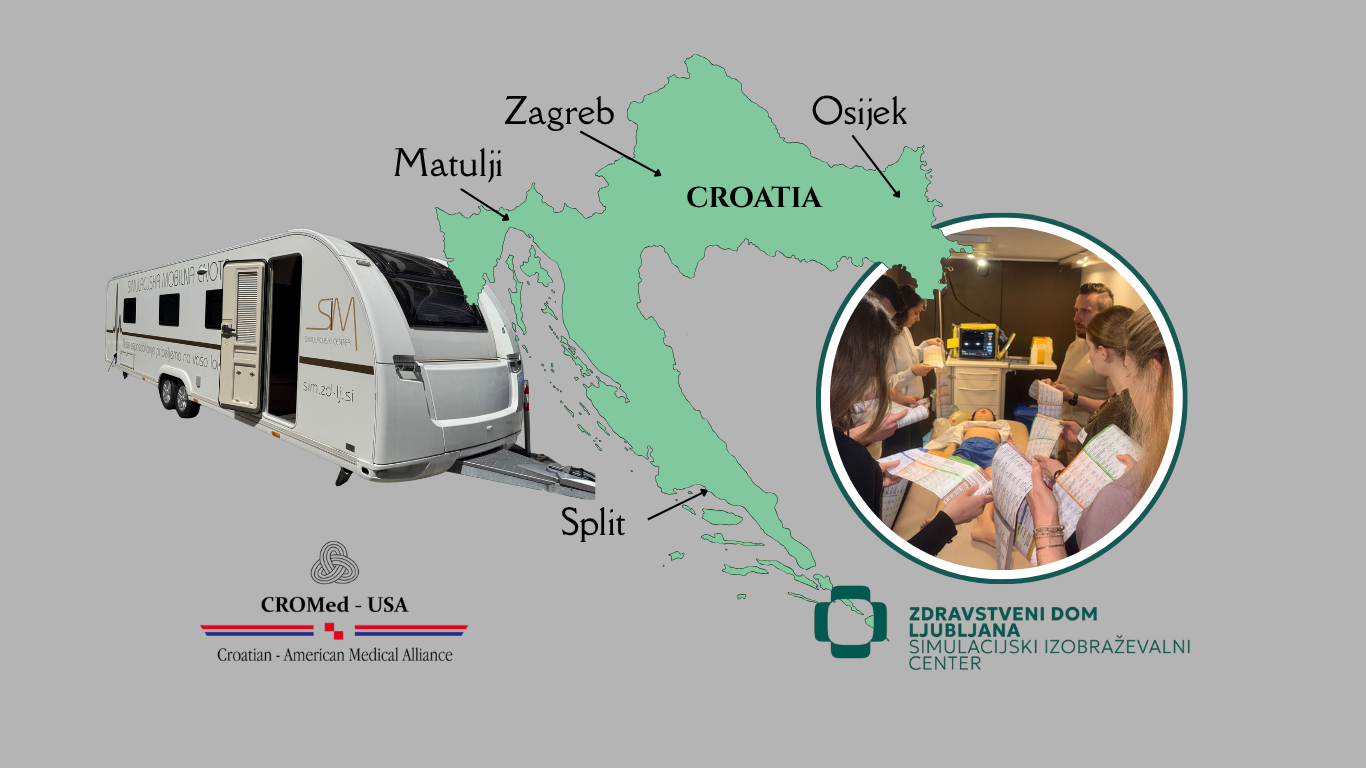
Developed in partnership with the Simulation Centre Ljubljana.
Brings simulation-based medical education directly to learners in the communities where they live and train.
Travels across Croatia to expand access to high-quality, hands-on clinical training.
Visited Osijek, Zagreb, Split, and Matulji as part of the 2026 program.
Designed for final-year medical students and recent graduates.
Delivered in small groups using high-fidelity simulation.
Focuses on clinical reasoning, procedural skills, communication, and patient safety.
Helps learners bridge the gap between theory and practice in a safe and supportive environment.
Critical Thinking in Action: Case Vignette Workshop
Organized by CROMed-USA and DNOOM
About the Workshop
The Critical Thinking in Action workshop is a one-of-a-kind, hands-on educational experience tailored for final-year medical students and recent graduates. Jointly organized by CROMed-USA and DNOOM, this six-day course blends real-life clinical vignettes with simulation-based procedural training.
Participants will:
Strengthen clinical reasoning and diagnostic thinking
Practice patient-centered decision-making
Engage in multidisciplinary discussions
Gain confidence in essential clinical procedures
Workshop Components
Case-Based Learning
Interactive discussions of high-impact cases from internal medicine, neurology, emergency medicine, pediatrics, and family medicine.
Hands-On Skills Labs (Afternoons)
Daily procedural sessions using medical simulators:
EYES & EARS
Ophthalmoscopy
Foreign body removal (eye, ear, nose)
Dix-Hallpike & Epley maneuvers
Audiovestibular testing
CARDIO & RESPIRATORY
Auscultation
EKG interpretation
Inhaler use
SKIN & WOUND CARE
Burn and wound treatment
Nail and skin lesion procedures
JOINTS & PELVIS
Bursal aspiration and immobilization
Rectal and pelvic examination
NURSING SKILLS
IV and NG tube placement
Colostomy and gastrostomy care
EMERGENCY TOXICOLOGY
Oxygen therapy
Use of defibrillators
Toxic ingestion and envenomation protocols
NEUROLOGY & DIAGNOSTICS
Neurologic exam and localization
Basics of chest X-rays, CT/MRI
EMG and nerve conduction study interpretation
Workshop Agenda (final edits in progress)
Daily breakfast and lunch are included.
Cultural & Social Events:
Welcome Dinner: Sept 5
Sunday Excursion to Krapina: Sept 7 (Afternoon)
Farewell Dinner & Announcement of the Josip Kos Scholarship Recipient: Sept 9
Workshop Faculty & Educators
Farrin Manian, MD, PhD
Internal Medicine / Infectious Diseases
Chair, Department of Medicine
Mercy Hospital St. Louis
Anna Conti, MD, PhD
Neurology / Movement Disorders and Stroke
Chair, Department of Neuroscience
Mercy Hospital St. Louis
Danijela Mataić, MD
Internal Medicine / Nephrology
Tim Gaul, MD
Director, MEI US Physician Project – Balkan Region
Clinical Assistant Professor of Family Medicine
Department of Family Medicine
University of Pittsburgh School of Medicine
Maureen Gaul, MD
Pediatrics
MEI US Physician Project – Balkan Region
University of Pittsburgh School of Medicine
Anton Skaro, MD, PhD, FRCSC, FACS
Surgical Director of Liver Transplant
London Health Sciences Centre – University Hospital & Victoria Hospital
London, Ontario, Canada
Danko Cerenko, MD, PhD
Otolaryngology / Dizziness and Audiology
Former Professor at Emory University
Physician at ENT of Georgia South / Atlanta Hearing Institute
Dayna Jett, MD
Family Medicine and Obstetrics
CoxHealth Family Medicine
Springfield & Branson, Missouri
Allison Miller, FNP
Nurse Practitioner
Mercy Neurology, Mercy Hospital St. Louis
Jennifer Gelski, RN
Multiple Sclerosis Nurse
Mercy Neurology, Mercy Hospital St. Louis
Jasna Vučak, MD, PhD
School of Medicine University of Rijeka, Department of Family Medicine
President, Association of Teachers in General Practice / Family Medicine – Croatia
Ivana Kraljević, MD, PhD
Internal Medicine / Endocrinology
University Hospital Centre Zagreb and School of Medicine University of Zagreb
Ksenija Kos, MD
Neurology / Neuromuscular Diseases / Neuroimmunology
Mercy Neurology, Mercy Hospital St. Louis
Marina Ćetković-Cvrlje, MD, PhD
Professor of Immunology in the Department of Biology & Chemistry at St. Cloud State
University, MN
Location
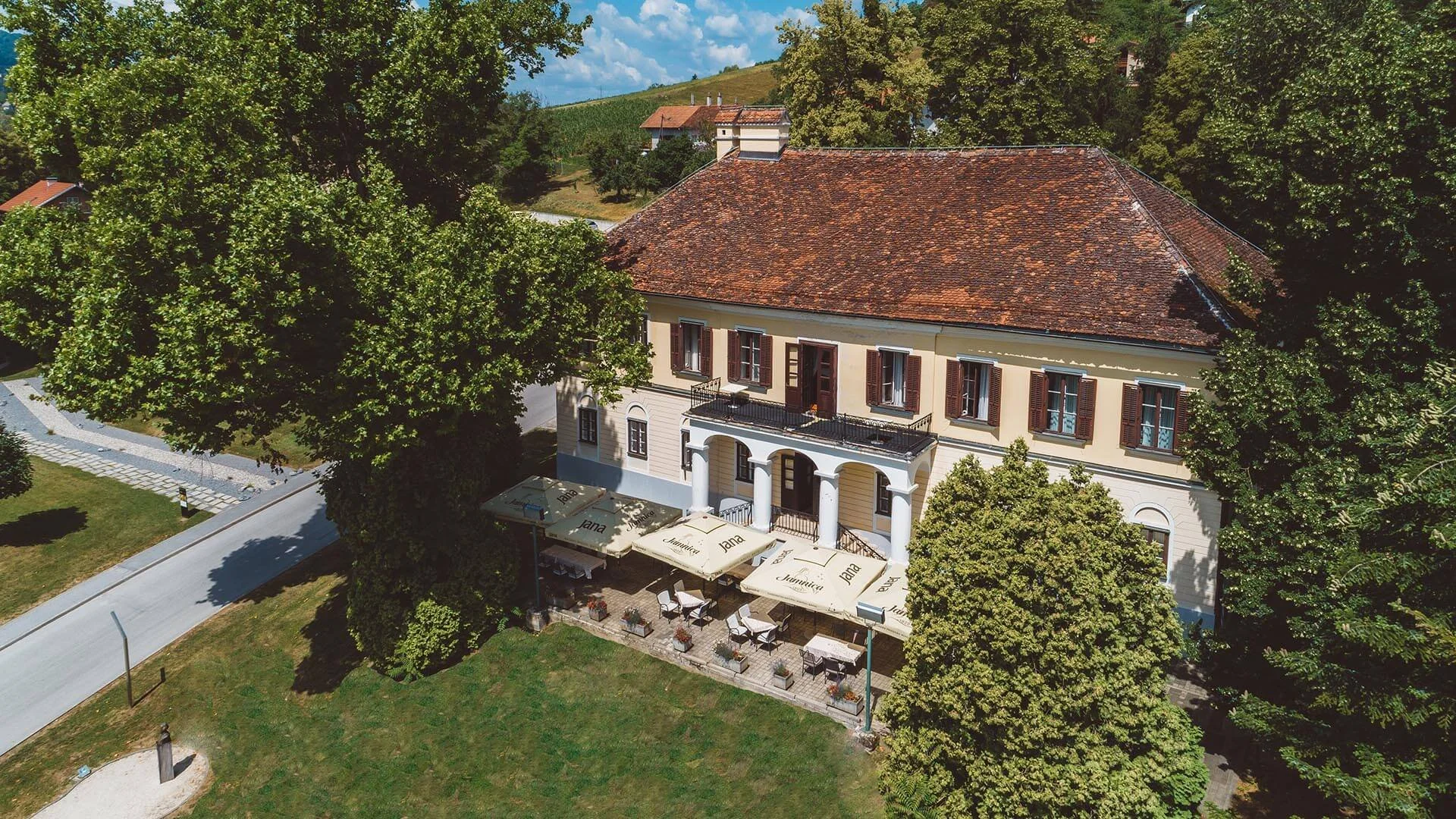
Terme Tuhelj, Croatia – A scenic wellness resort in Hrvatsko Zagorje, offering an ideal balance of relaxation and academic rigor.
Who Should Apply
Final-year medical students and young physicians within two years of graduation interested in primary care, internal medicine, emergency medicine, and neurology.
Visit www.cromed-usa.org or email info@cromed-usa.org for updates.
CROATIAN VERSION
Kritičko razmišljanje u praksi: Radionica kliničkih vinjeta
5.–10. rujna 2025. | Terme Tuhelj, Hrvatska
U organizaciji CROMed-USA i DNOOM-a
Radionica Kritičko razmišljanje u praksi je jedinstveno iskustvo za studente završnih godina medicine i mlade liječnike. Organizirana u suradnji CROMed-USA i DNOOM-a, radionica spaja analizu stvarnih kliničkih slučajeva s praktičnim učenjem dijagnostičkih i terapijskih vještina putem medicinskih simulatora.
Polaznici će:
Usavršiti kliničko razmišljanje i donošenje odluka
Razviti pristup usmjeren na pacijenta
Sudjelovati u multidisciplinarnim raspravama
Steći sigurnost u izvođenju osnovnih medicinskih postupaka
Sadržaj radionice
Rad u malim grupama na studijama slučaja
Diskusija relevantnih kliničkih vinjeta iz područja interne medicine, neurologije, hitne medicine i ostalih specijalnosti.
Praktične radionice (popodnevni blokovi)
Svaki dan sudionici će učiti i izvoditi kliničke postupke na simulatorima:
OČI I UŠI
Oftalmoskopija
Uklanjanje stranih tijela (oko, uho, nos)
Dix-Hallpike i Epley manevar
Audiovestibularna obrada
SRCE I PLUĆA
Auskultacija
Tumačenje EKG-a
Primjena inhalatora
KOŽA I RANE
Obrada opeklina i rana
Liječenje panaritiuma
Uklanjanje uraslih noktiju i kožnih promjena
ZGLOBOVI I ZDJELICA
Aspiracija burzi, imobilizacija
Digitalni rektalni i ginekološki pregled
NJEGOVATELJSKE VJEŠTINE
Postavljanje intravenskog katetera
Nazogastrična sonda
Njega kolostome i gastrostome
HITNA MEDICINA I TOKSIKOLOGIJA
Primjena kisika
Korištenje defibrilatora
Zbrinjavanje trovanja, ugriza i kemijskih ozljeda
NEUROLOGIJA I DIJAGNOSTIKA
Neurološki pregled i lokalizacija
Osnove RTG-a prsnog koša, CT/MRI
Interpretacija EMNG i ENG nalaza
Okvirni raspored
Petak, 5. rujna: Dolazak, uvodna večera i predstavljanje CROMed-USA Stipendije Josip Kos
Subota – srijeda: Svakodnevne jutarnje diskusije kliničkih slučajeva + poslijepodnevne radionice kliničkih vještina
Nedjelja, 7. rujna (poslijepodne): Kulturni izlet u Krapinu
Utorak, 9. rujna:
o Jutro: Provjera znanja i praktičnih vještina
o Poslijepodne: Završna sesija (radionice i interpretacija dijagnostičkih testova)
Srijeda, 10. rujna (samo ujutro): Završna razmatranja i oproštaj nakon ručka
Doručak i ručak uključeni svaki dan.
Kulturni i društveni sadržaji:
Uvodna večera: Petak, 5. rujna
Izlet u Krapinu: Nedjelja, 7. rujna (poslijepodne)
Oproštajna večera i proglašenje dobitnika Stipendije Josip Kos: Utorak, 9. rujna
Lokacija
Terme Tuhelj, Hrvatska – Wellness resort u srcu Zagorja, idealan za učenje, umrežavanje i opuštanje.
Kome je radionica namijenjena?
Studentima 5. i 6. godine medicine te mladim liječnicima do dvije godine nakon završetka studija, posebno onima zainteresiranima za obiteljsku medicinu, internu, neurologiju i hitnu medicinu.
Prijave
Prijave će biti otvorene do 15. 8. 2025. Broj mjesta je ograničen na 30 sudionika.
Više informacija na: www.cromed-usa.org ili putem e-pošte info@cromed-usa.org

Workshop on Change Management
*** Registration for this event has closed. Please check your email for further instructions.
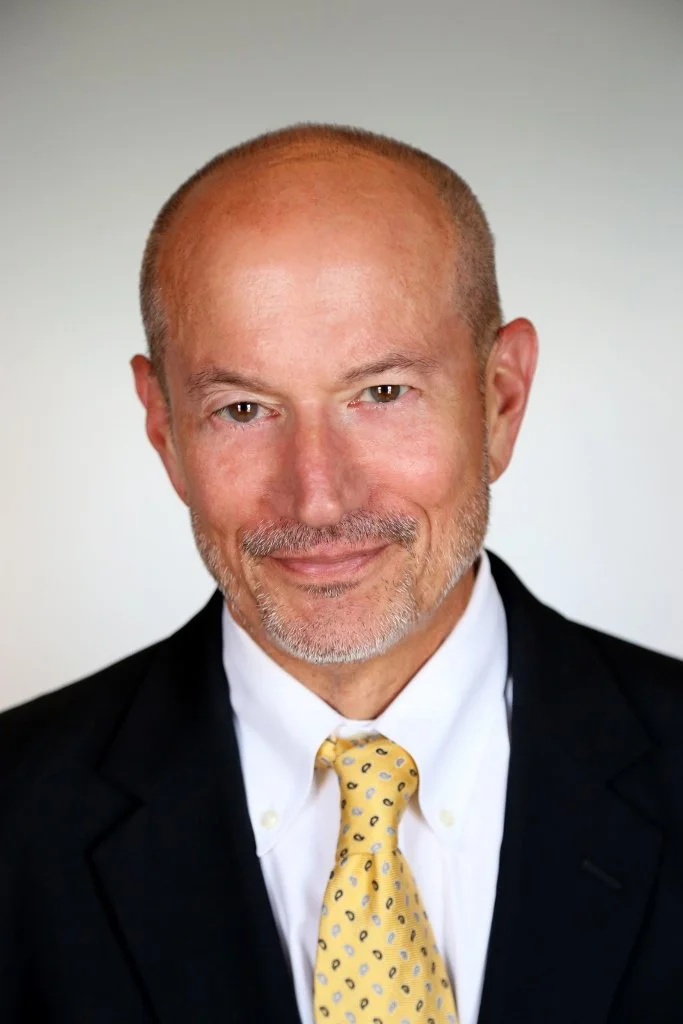
ABOUT THE SPEAKER: Professor Janet Grant (PhD, MSc. FBPsS, Honorary Professor, University College London Medical School, Professor Emerita of Education in Medicine, The Open University, UK)
Professor Janet Grant is a leading expert in change management, particularly within the healthcare sector. Her extensive research and practical insights focus on the complexities of organizational change in medical settings. Through her work, she has developed strategies that empower healthcare professionals to navigate transitions, improve team dynamics, and enhance patient care delivery.
Professor Grant emphasizes the importance of a collaborative approach to change, where effective communication, leadership, and ongoing professional development are key components. Her work is invaluable in guiding medical professionals through the evolving landscape of healthcare, ensuring that they not only adapt to change but thrive in it. This workshop, inspired by her work, will equip medical professionals with the tools and strategies needed to successfully manage change within their teams and institutions.
ABOUT THE WORKSHOP:
Medical education is constantly developing and changing. To ensure that the right changes are planned and implemented effectively, the skills of leadership and change management are required. This workshop will guide participants through the stages of effective change management and will enable them to reflect on and develop their own leadership skills.
The workshop will be conducted over two afternoons and will address the following topics:
What is change?
What are orders of change?
Factors in well-managed change: The vision and The leader
Components of the change process
Professional characteristics and styles in health professions
Stages and core activities in change management
Tried and tested rules of managing change
Useful analytical tools: People chart, Force field analysis, Interaction map
Dealing with barriers to change.
In addition, participants will consider leadership in change management, by addressing the following:
The essential tasks of leadership
The uniqueness of medical education
Leadership style
Leadership and management
Leadership and management models
Skills and knowledge required of a leader-manager
Your personal leadership style
The challenges facing leaders in medical education
Leading change.
We intend the first afternoon to address change management, and the second afternoon to address leadership in support of change management. However, we will ensure that there will be every opportunity to follow the specific interests and problems of participants, and the two aspects may well become interwoven.
We will try to ensure that participants are always thinking of changes that they are themselves involved in, or changes that they would like to lead. The culture in which participants work will always be taken into account.
There will be plenty of opportunity for interaction, questions and clarification.
Workshop on Assessments in Medicial Education
*** Registration for this event has closed. Please check your email for further instructions.
ABOUT THE SPEAKER:
Dr. John Norcini (Honorary Fellow of the Royal College of General Practitioners and the Academy of Medical Educators, Research Professor, SUNY Upstate Medical University, Fellow, Presence (a Center at Stanford Medical School), President Emeritus of FAIMER)
Dr. John Norcini is a renowned authority on assessments in medical education, with a focus on improving the reliability and validity of evaluation methods. His groundbreaking work has transformed how medical educators assess learners, emphasizing the need for more comprehensive, fair, and accurate assessment systems.
Dr. Norcini advocates for innovative assessment tools that go beyond traditional exams, incorporating formative and summative evaluations, workplace-based assessments, and the use of technology to provide real-time feedback. His research also explores the critical role of assessment in shaping the competency of healthcare professionals and ensuring quality patient care.
This workshop, inspired by Dr. Norcini's work, will offer medical educators valuable insights and practical strategies to design and implement effective assessment practices, enhancing the learning experience and the future success of healthcare professionals.
ABOUT THE WORKSHOP
This workshop will provide participants with the knowledge and skills they need to design and develop effective educational tests. It will be conducted over two afternoons, each session lasting 3-4 hours, with breaks. It will be structured around a nine-step process for creating an educational test. These steps include :
1) test purpose
2) testing time and method of administration
3) test standardization
4) test content
5) item formats
6) number of items
7) item writing guidance
8) evaluation and selection of items
9) setting the passing mark.
On the first day, the group will work on test purpose, testing time and method of administration, test standardization, and test content. In addition to large group discussions, there will be two small group exercises. This will be followed by a focus on multiple choice questions (MCQs) and the session will end with a small group exercise.
On the second day, work on item formats will continue with the focus shifting to uncued and response contingent questions. One small group exercise will be included. This will be followed by considerations of the number of items, item writing guidance, evaluation and selection of items, and setting the passing mark.
Each day will include at least one 15-minute break. Topics may shift across days as the needs of the participants dictate.